Adulticide and larvicide control for municipalities, companies and private
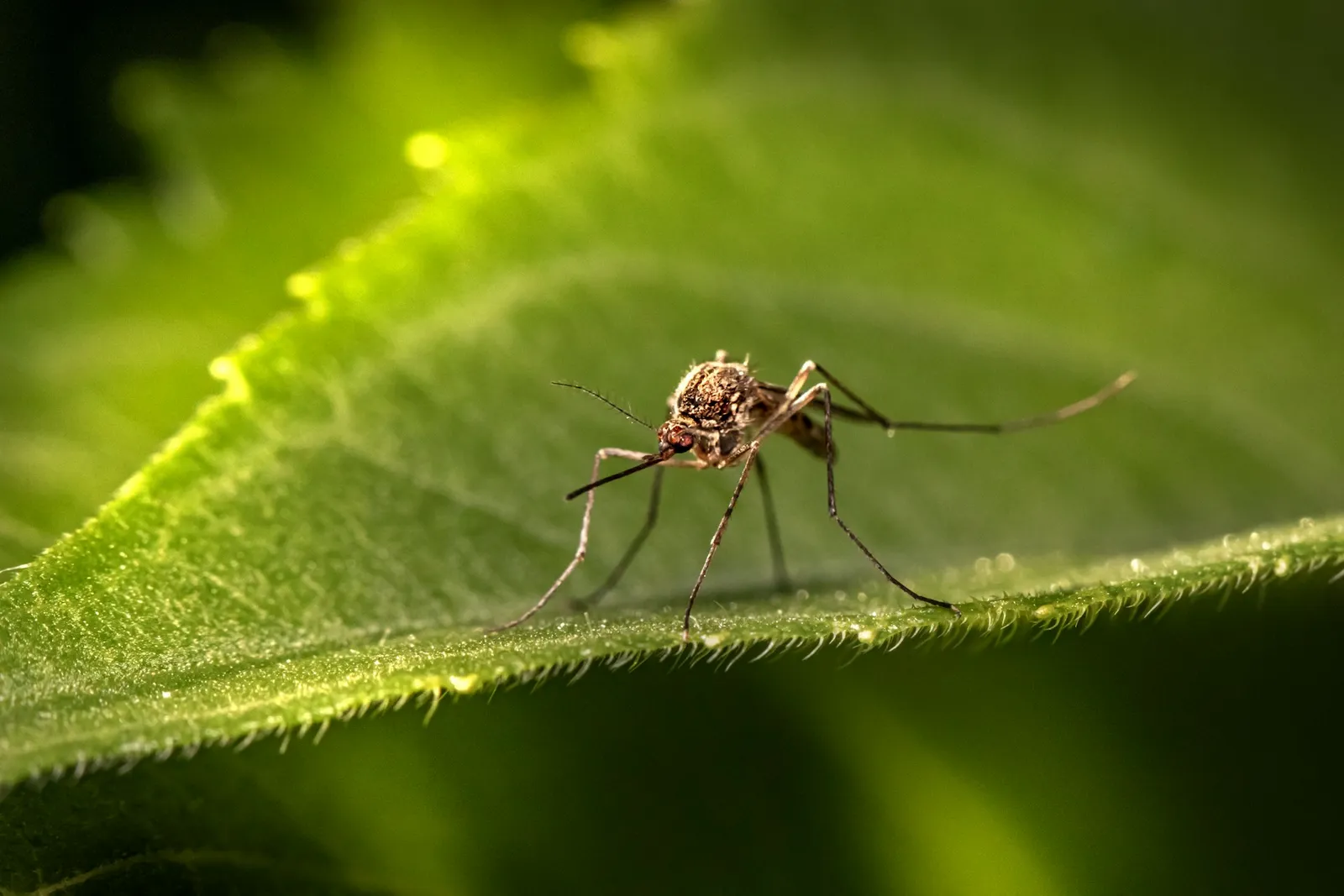
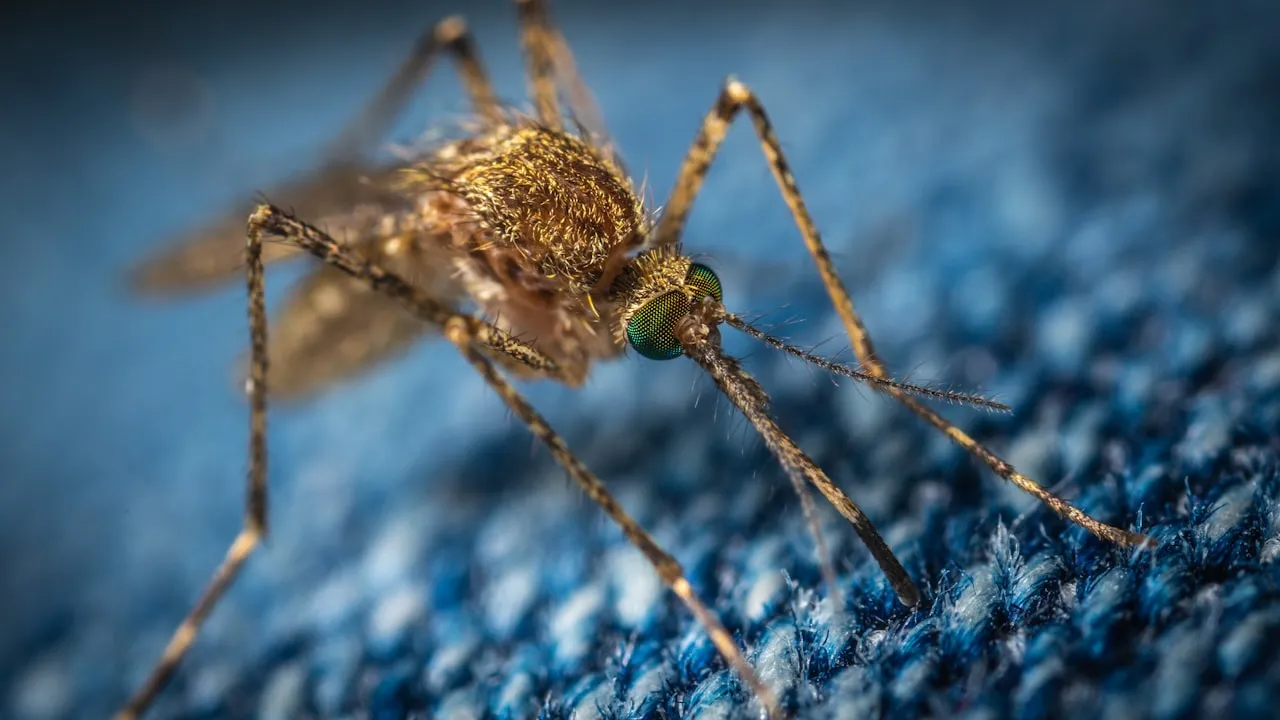
Aedes albopictus arrived in Italy via Genoa in 1990, now widespread. Bites by day, aggressive, vector of Dengue, Chikungunya, Zika, West Nile.
"Street drains are the real urban reservoir of the tiger mosquito: scheduled larviciding is the control key."
Biology & life cycle
Cycle in 4 stages: egg → larva (4 stages) → pupa → adult. Eggs resist months of drought and winter cold. A female lays 70–80 eggs/cycle and 3–5 cycles per life.
Larvae develop in 5–10 days at 25 °C. Pupae 1–3 days. Full cycle 7–21 days.
Adult lives 2–4 weeks. Only females bite (need blood). Bites by day, range ~200 metres from larval site.
Where they develop
Typical breeding sites (by frequency):
• Street drains and gullies (the real urban reservoir — up to 80% of urban infestation).
• Plant saucers, open bins, used tyres, buckets.
• Clogged gutters, folded tarps.
• Abandoned containers in sites, warehouses, nurseries, cemetery vases.
• Small ornamental ponds without fish.
• Bottles, cans, caps.
Diseases & risks
Aedes albopictus is vector of expanding arboviruses:
• Dengue: high fever, myalgia, possible severe haemorrhagic forms.
• Chikungunya: fever, severe joint pain that can become chronic.
• Zika: mild fever, but severe risk for pregnant women (fetal microcephaly).
• West Nile (mainly Culex pipiens): meningoencephalitis in over-65.
• Dog heartworm (Dirofilaria immitis).
Cases in Italy
Italy 2024 — ISS data (26 Nov):
• Dengue: 687 confirmed cases, 213 autochthonous. Clusters in Marche, Emilia-Romagna, Lombardy, Abruzzo (Cavezzo, Albinea).
• Chikungunya: 15 (imported).
• Zika: 7 (imported).
• West Nile: annual outbreaks Po Valley, Sardinia.
2017: first major Chikungunya outbreak in Lazio (400+ cases).
How to recognise the infestation
Repeated daytime bites; low-pitched buzz; thread-like larvae in saucers; aggressive adults near street drains. Technical indicator: positive ovitrap.
Call us for a site visit
Every infestation has its own species, biology and intervention strategy. Don't improvise: contact us for a free site visit. Within 48 working hours you receive a precise technical assessment and a transparent quote, drafted by Dr. Marco Tarducci and the Hygiene Care team.
📞 Phone · 💬 WhatsApp · ✉️ Email — all contacts at the bottom of the page.
Our approach
Integrated control in three levels:
• Larviciding (priority #1): pyriproxyfen/diflubenzuron in street drains every 30–40 days April–October. QR-coded georeferenced maps.
• Targeted adulticiding (no blanket spraying) before major events.
• Education and prevention door-to-door.
Municipalities: annual plan with monthly report and public dashboard.
Condominiums/hotels: April–October seasonal plan.
Private: one-off + custom maintenance.
Seasonality
Activity April to November. Egg hatching from approx. 1st April Central/South Italy and mid-April North. Population peak: July–August–September.
Noticed any of the symptoms above? Don't wait.
Site visit is free and for urgent cases we intervene within 24–48 working hours. The sooner we act, the faster the resolution.
● Consultation request
Let's talk.
Fill in the form: a technician will get back to you within 24 working hours with an initial assessment and an indicative quote.
Via degli Artigiani 27
Via degli Artigiani 27 — 50055 Lastra a Signa (FI), Italy