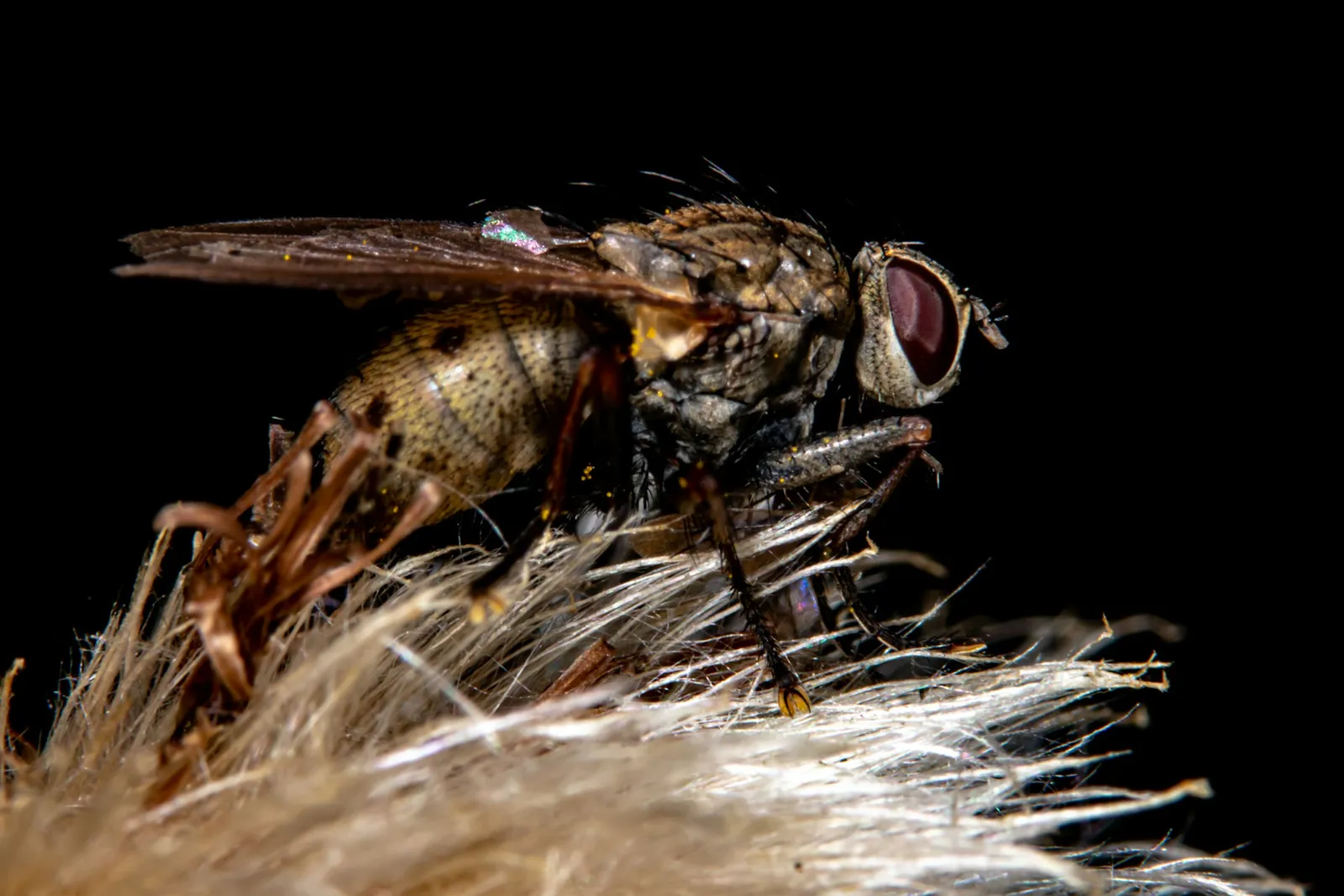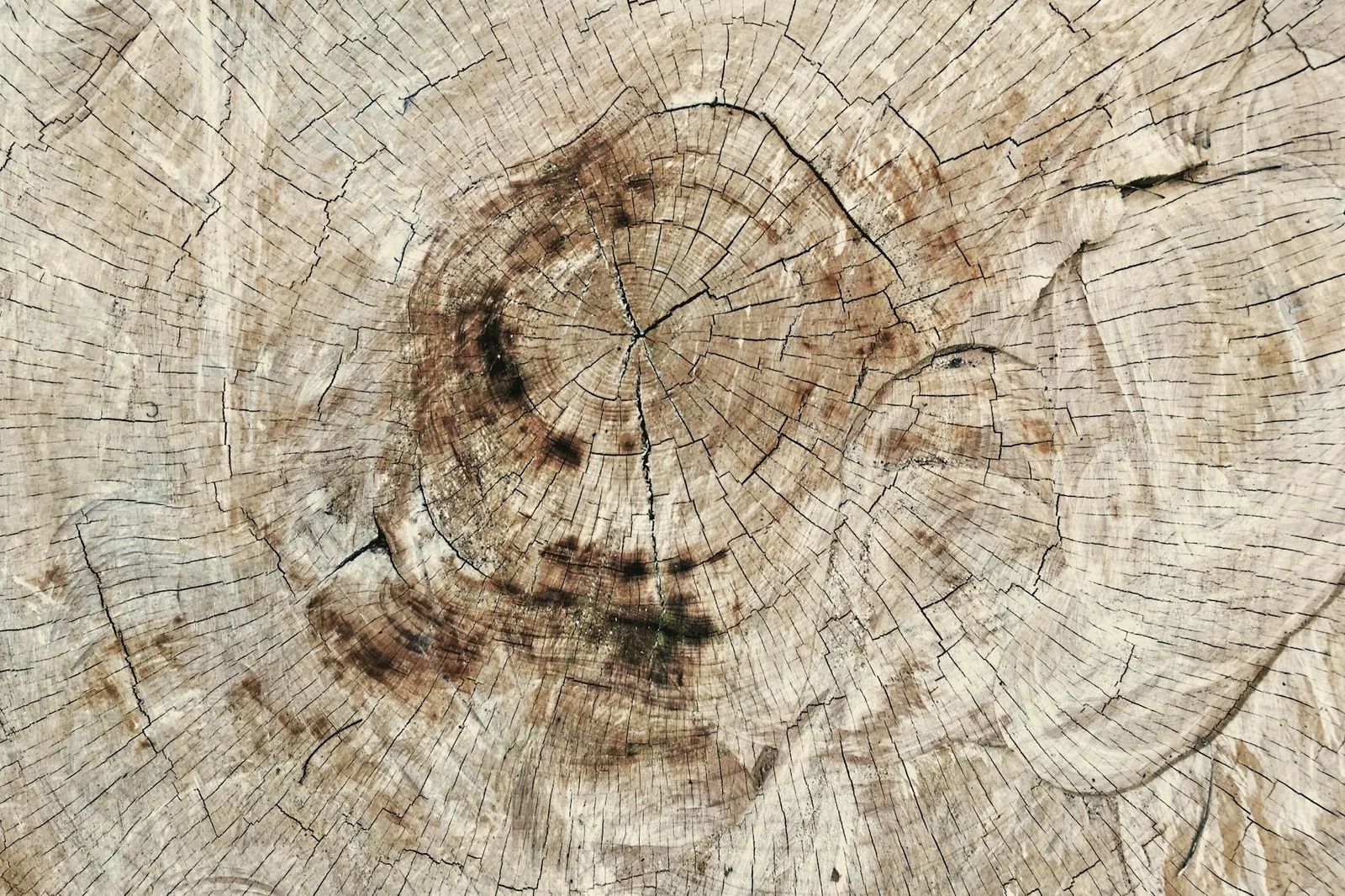
Wood-boring insects: furniture beetle and house longhorn
Wood-borers eat furniture, beams, parquet, windows and art from inside. We use anoxic methods (nitrogen gas), microwave, heat and specific actives, adapting the technique to wood and value. Hygiene Care designs its own treatment machines.
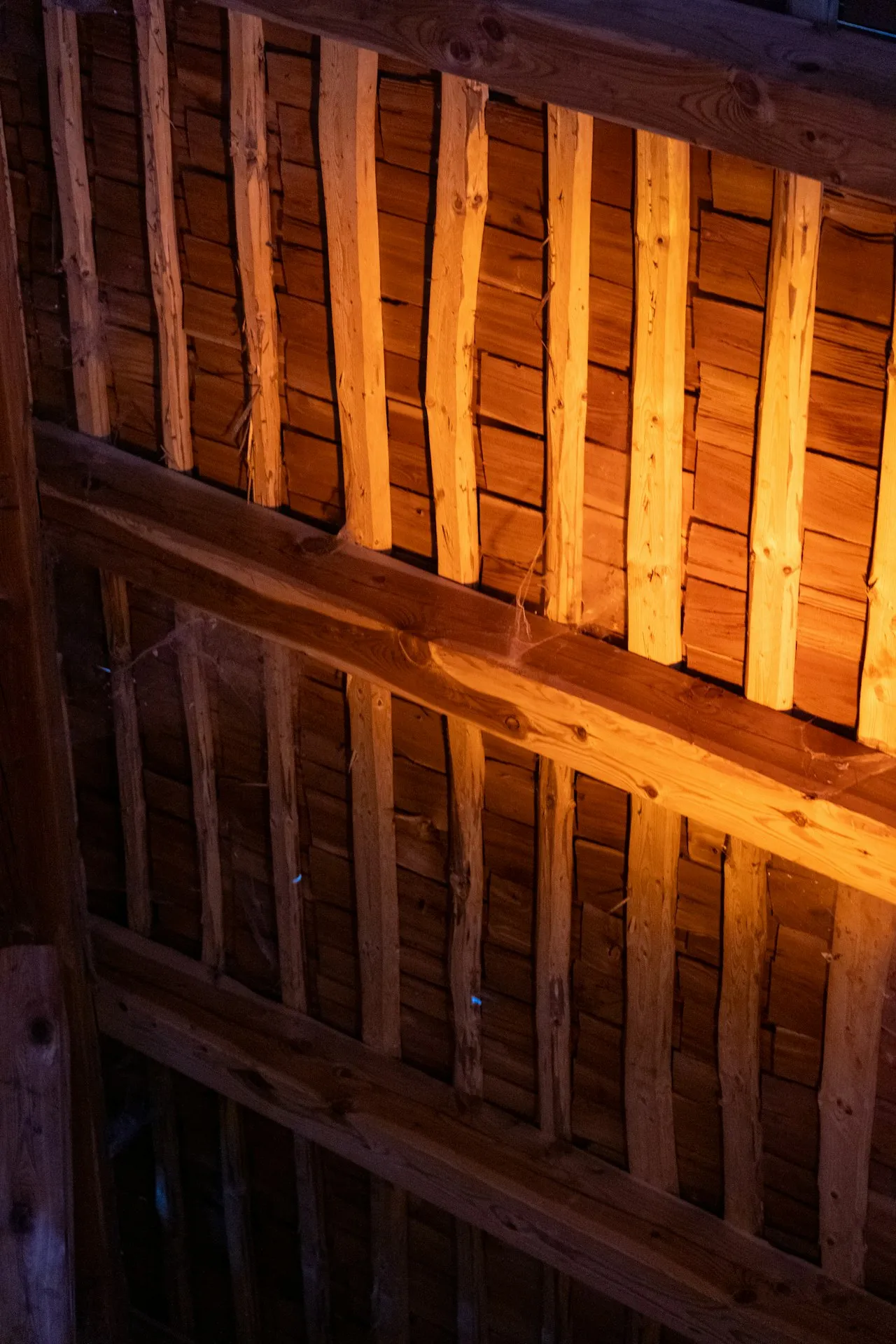
"Wooden beams and trusses: where wood-borers carve invisible galleries that can compromise the building's structural integrity. This is where the technical site survey makes the difference."
Read this BEFORE the intervention — important.
Why physical treatment must always be followed by chemical protection.
Every wood disinfestation performed by microwave or infrared must always be completed with a subsequent chemical protective treatment of the wooden structure. It's a rule we developed years ago together with the Italian Ministry of Cultural Heritage and which remains today the foundation of a properly executed job.
The reason is simple: physical treatments (microwave and infrared) do not reach uniformly all surfaces and thicknesses of the wood. Untreated areas inevitably remain, where surviving wood-boring insects find vital space and can reinfest the artefact even more rapidly than before. It's no coincidence that we are often contacted by clients whose wood — treated by other companies with microwaves or infrared alone — has been re-infested shortly afterwards.
The subsequent chemical treatment solves the problem at the root: the wood, impregnated with the protective product, does not re-infest, any surviving insects die, and the artefact is at the same time consolidated and preserved over time. For this reason we never perform physical treatment alone as a definitive intervention.
"Bio-disinfestation" does not exist. No truly effective and lasting treatment against wood-boring insects can ignore chemical protection of the wooden structure.
Biology & life cycle
Anobium punctatum (furniture beetle): adults 2.5–5 mm. Females lay 20–60 eggs. Larvae develop 2–3 years (up to 5–8 years in very dry wood). Emergence June–August. Hole 1–2 mm round. Prefers seasoned wood 10–18% humidity.
Hylotrupes bajulus (house longhorn): adult 7–25 mm. Larvae 2–6 years (up to 10–16 in unfavourable conditions). Oval hole 6–10 × 3–5 mm. Prefers conifers — structural damage.
Stegobium paniceum (drugstore beetle): dry goods, antique books, pasta.
Lyctus brunneus: diffuse-porous woods (ash, oak), 1-year cycle, rapid damage.
Camponotus spp. (carpenter ant) — not a beetle but a hymenopteran behaving exactly like a wood-borer. Three structurally damaging Italian species: Camponotus ligniperda (Central-Northern Italy, workers 6–14 mm, queen 16–18 mm, black-reddish), Camponotus herculeanus (Alpine zones up to 1,800 m, workers 6–14 mm, fully black), Camponotus vagus (Central-Southern Italy, fully matt-black, up to 18 mm). Does not feed on wood — it excavates wood to nest, ejecting fine sawdust called *frass* (mixed with dead-insect parts, pathognomonic sign). Prefers moisture-damaged wood (RH > 12-15%): beams adjacent to leaking roofs, floors under bathrooms, trusses with infiltrations, tree stumps adjacent to structures. Colonies are polydomous (multiple connected nests) and long-lived 15-20 years, can reach 2,000–3,000 workers. Reproductive flights (alates) May–July. Galleries are smooth, clean, parallel to wood grain — distinctive from xylophagous beetles which carve in every direction.
Camponotus reference bibliography — Hölldobler B. & Wilson E.O. (1990), *«The Ants»*, Harvard University Press · Hansen L.D. & Klotz J.H. (2005), *«Carpenter Ants of the United States and Canada»*, Cornell University Press · Mori A., Grasso D.A., Le Moli F. (1992), *«Biological observations on Camponotus vagus»*, Italian Journal of Zoology, 59(4), 451-456 · Seifert B. (2018), *«The Ants of Central and North Europe»*, Lutra Verlag · Klotz J.H., Hansen L., Pospischil R., Rust M.K. (2008), *«Urban Ants of North America and Europe»*, Cornell University Press · Poldi B., Mei M., Rigato F. (1995), *«Hymenoptera Formicidae»*, Checklist of Italian fauna, n. 102, Calderini, Bologna.
Where they develop
Antique furniture, wooden beams and trusses, parquet, windows and doors, picture frames, wooden sculptures, museum artworks, leather-bound books, historical archives, musical instruments (violins, pianos, organs).
Preferred climate 18–25 °C, RH 50–70%. Unheated or poorly heated spaces most affected.
Diseases & risks
Wood-borers don't directly transmit diseases to humans, but their presence is often linked to Pyemotes ventricosus (see dedicated sheet) — a parasitic mite predating wood-borer larvae which can attack humans causing severe dermatitis.
Economic damage is huge: a load-bearing beam compromised by H. bajulus may require structural replacement (tens of thousands of euros). Antique furniture loses up to 70% value. Artworks require specialized restoration.
Cases in Italy
Italy:
• Practically all Italian homes with pre-1970 structural wood had or will have a wood-borer infestation.
• Country houses and renovated cottages (reused beams) are the first target.
• Italian churches and historical buildings are subject to national monitoring campaigns coordinated by ICR and OPD.
• Estimated EU economic damage from H. bajulus: hundreds of millions of euros/year.
• Anoxic nitrogen treatments are a recognised standard in Italian restoration labs since 1995.
How to recognise the infestation
How to recognize infestation:
• Emergence holes (1–2 mm round Anobium, 6–10 mm oval Hylotrupes).
• Sawdust at base of furniture/beam: most reliable sign. Fresh dust = active infestation.
• Gnawing sounds in beams in the evening.
• Furniture sounds hollow, wood crumbles to touch.
• Localized parquet/chair leg failures.
• In advanced cases: galleries visible under crumbling surface.
• NB: Holes are a late sign (left by emerging adults).
Specific carpenter-ant (Camponotus) signs:
• Frass piles like coarse sawdust mixed with dead-insect parts (legs, antennae, heads): the pathognomonic sign, distinct from beetle frass.
• Visible workers on walls, floors, skirting boards — larger than common ants (6–14 mm workers, up to 18 mm queens).
• Workers often carry white pupae in line when the colony is disturbed.
• Alate swarms in spring-summer (May–July) around lights, sills, skylights.
• Soft crackle audible in quiet environments near infested beams: workers' mandibles excavating.
• In night-active periods, frequent walking along skirting boards, pipes and mouldings towards sugar sources.
Call us for a site visit
Every infestation has its own species, biology and intervention strategy. Don't improvise: contact us for a free site visit. Within 48 working hours you receive a precise technical assessment and a transparent quote, drafted by Dr. Marco Tarducci and the Hygiene Care team.
📞 Phone · 💬 WhatsApp · ✉️ Email — all contacts at the bottom of the page.
Our approach
We adapt to the value and nature of the artefact, always following the rule of chemical protection after physical treatment (see premise).
👤 Dr. Marco Tarducci's references — Scientific Director of the Opificio delle Pietre Dure of Florence (Italian Ministry of Cultural Heritage). Led anoxic disinfestation projects at: Uffizi Gallery, Pinacoteca di Brera (Milan), Palatine Gallery, Pinacoteca di Siena, Quirinale Museum, Musée du Louvre (Paris), The J. Paul Getty Museum (Los Angeles).
🔬 Microwave treatment technical description — Non-invasive technology eliminating wood-boring insects at all life stages (eggs, larvae, pupae, adults). High-frequency microwaves cause controlled heating of the wooden mass through molecular agitation of water in wood and organisms. Internal heating reaches lethal temperatures for wood-borers. Applied locally, without chemical residues in physical phase, no need to remove structures.
✅ Suitable for: load-bearing beams and trusses · wooden floors and planks · ancient structural elements · furniture and wooden artefacts · civil and industrial buildings.
⭐ Advantages: deep elimination of larvae and adults · rapid targeted intervention · no residual odour · no drying time · compatible with inhabited buildings · low invasiveness on historic structures · no harmful substance dispersion.
⚠️ Critical issues and limitations — On highly degraded wood with reduced structural integrity, rapid thermal increase can reveal pre-existing critical issues: microcracks, localized deformation, surface detachments, small failures of already compromised portions. These phenomena relate to pre-existing degradation, not to the treatment itself, which is performed with conformant thermal control.
📋 Preliminary technical survey — Before intervention: infested area identification · wood type and degradation degree · emergence holes, frass and biological activity detection · beam thickness assessment · structural critical issue identification · operating timeline. Final: technical report with photographic documentation.
🪵 Oleo-waxy finishing for furniture (Linfo System) — After biocide treatments, for furniture only we apply a protective oleo-waxy finish with natural resins of the Linfo system. Resin-waxy molecules penetrate wood fibres: rebuilding the dynamic structure, enhancing natural grain, giving brightness and chromatic depth. The treatment protects wood over time.
🛡️ Legal warranty — Our wood-borer treatments on beams and wooden structures are legally warranted. Full documentation for Superintendencies, insurance, expert reports.
Complementary techniques: Humid nitrogen anoxia · Hygiene Care proprietary technology · Hole injections + impregnation · Specific biocides for new structures.
Seasonality
Year-round for larvae inside wood. Emergence: June–August for Anobium, May–July for Hylotrupes. Best monitoring time: late spring (fresh sawdust visible).
Noticed any of the symptoms above? Don't wait.
Site visit is free and for urgent cases we intervene within 24–48 working hours. The sooner we act, the faster the resolution.
● Consultation request
Let's talk.
Fill in the form: a technician will get back to you within 24 working hours with an initial assessment and an indicative quote.
Via degli Artigiani 27
Via degli Artigiani 27 — 50055 Lastra a Signa (FI), Italy